Gold Detector for Zambia’s Copperbelt — What Actually Works

Zambia’s Copperbelt is the most challenging detecting terrain in southern Africa. Here’s why VLF detectors fail there and what actually pulls gold out.
The Copperbelt problem
Solwezi soil, Lumwana mine tailings, Mufulira reef — heavy in copper, iron oxides, and lateritic clay. A VLF detector signals on every speck of mineralisation. You’ll dig 200 holes a day, find nothing.
Why Pulse Induction wins
PI detectors send a magnetic pulse and listen for the “ring” from conductive targets after the soil signal has faded. Ground mineralisation is invisible. Gold, copper-bonded gold, and even fine specks ring back.
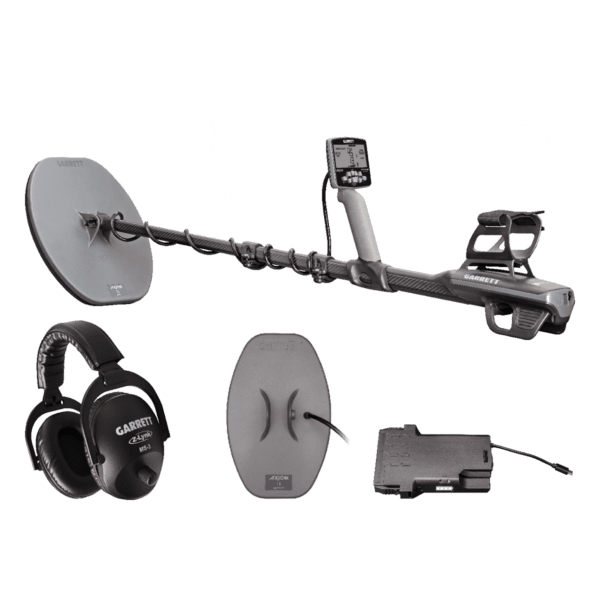
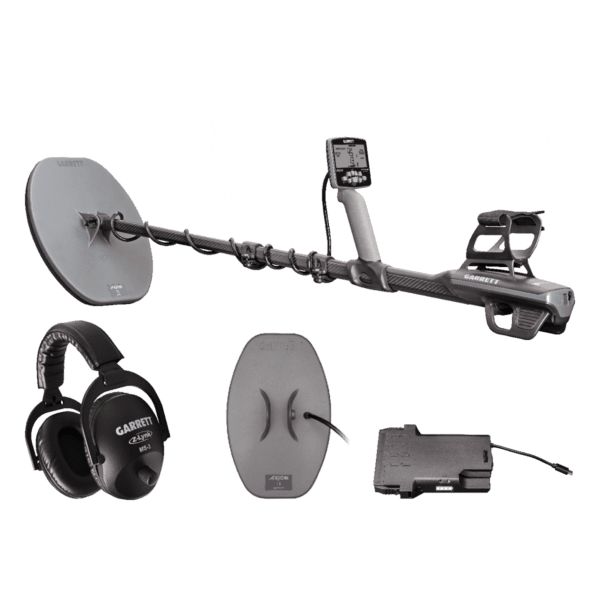
The Garrett Axiom is field-tested across:
- Solwezi village washouts (artisanal gold)
- Lumwana mine periphery (placer + reef indicators)
- Mufulira and Chingola tailings (residual gold post-copper extraction)
Setup for Zambian soil
We ship the Axiom pre-calibrated for Copperbelt mineralisation: Ground Balance mode 2, Sensitivity 18, Threshold +3. Spend the first 30 minutes tuning to your specific dig.
What about Axiom Lite?
Same engine, smaller package. Best if you already own a second coil or you’re mobile across multiple sites. Axiom Lite specs.
Direct from Lusaka delivery
We ship anywhere in Zambia via Postnet or DHL. WhatsApp +260 974 309 875 for the Zambia office.