Best Gold Detector for Beginners in Africa — 2026 Buyer Guide

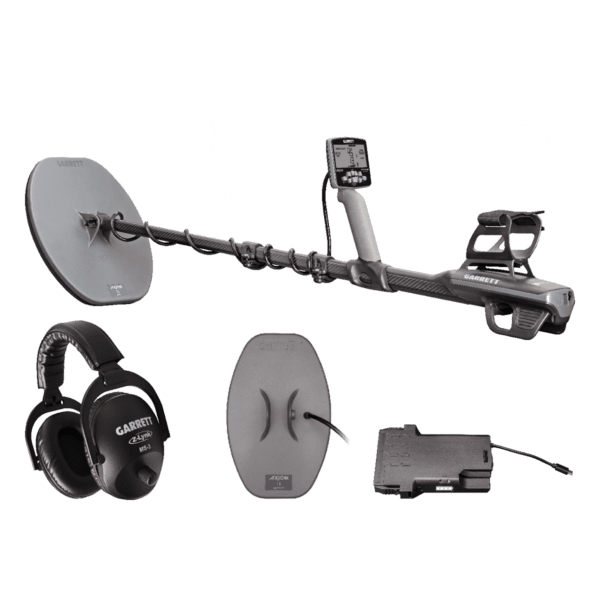
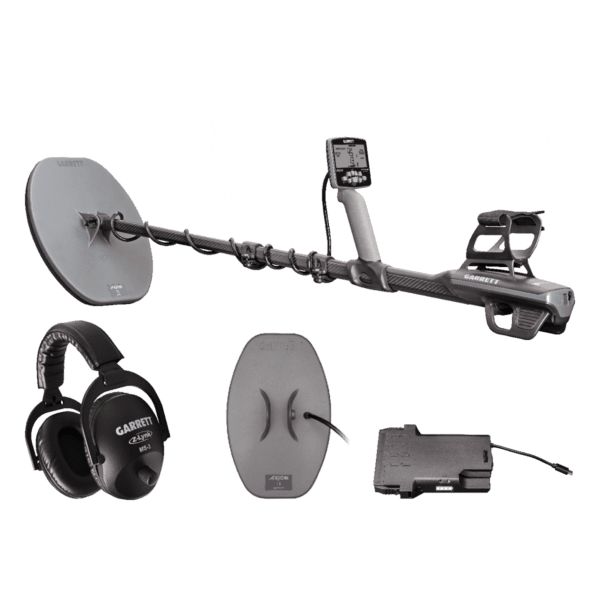
If you’ve never swung a coil before, don’t spend KES 690,000 on the Axiom. Here’s the cheapest detector that’s still field-effective.
Skip these brands
Brands like Nokta-Makro, Minelab-cloned units, or no-name Chinese imports sold on Jumia for KES 30-50k will find a coin in your backyard. They won’t handle 5cm of African iron-clay topsoil. Save the money.
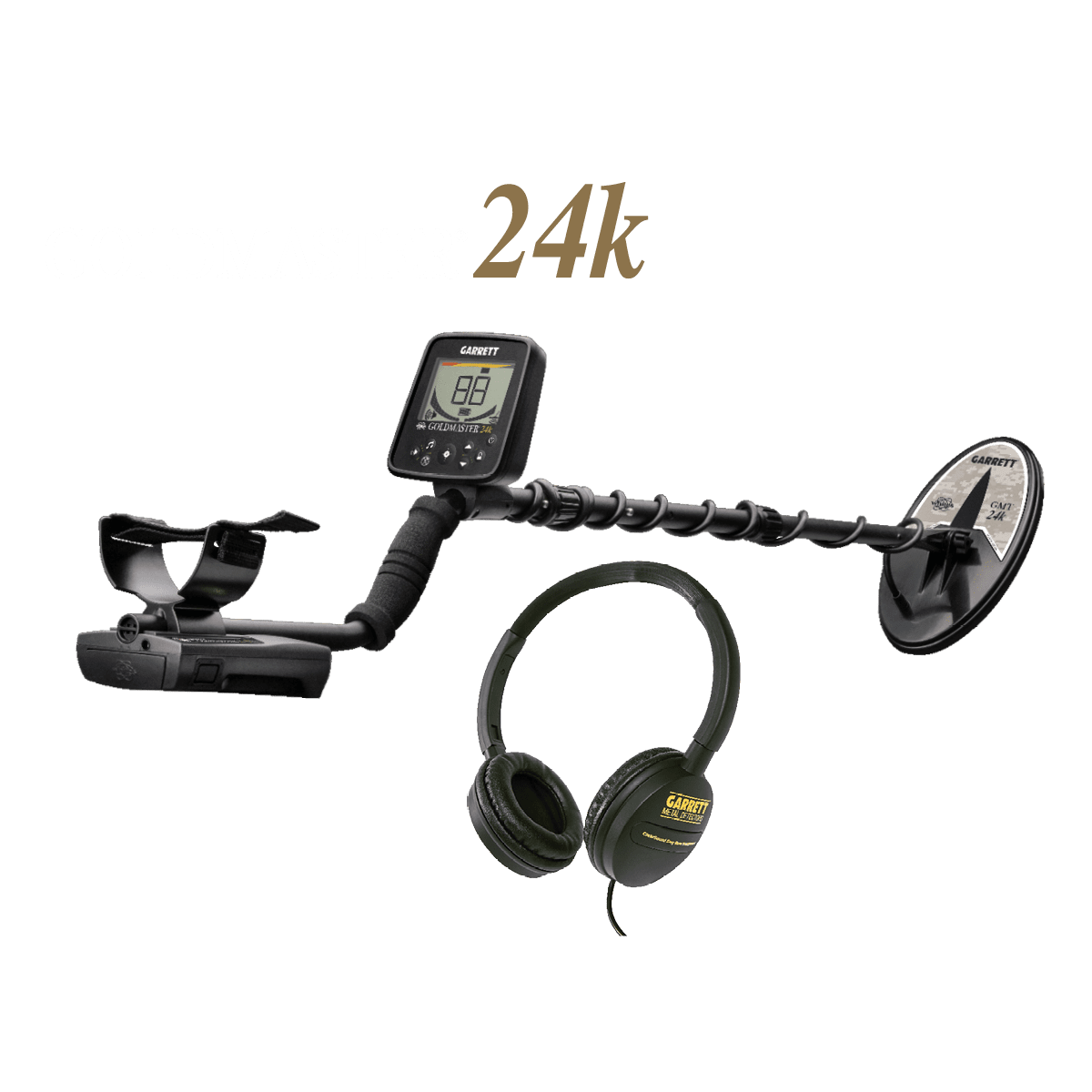
Buy this first: Garrett Gold Master 24K
At KES 150,000, the Gold Master 24K is the genuine entry point. 48 kHz VLF, sub-gram gold sensitivity, Iron Audio to skip rusty trash, weatherproof. The 6×10″ DD coil is included.
What it does well
- Shallow alluvial gold in river beds and washouts (Vihiga, Migori, Solwezi village rivers)
- Coin shooting, jewellery recovery, beach detecting
- Beginner audio — you learn what gold “sounds like” without the false signals of cheaper units
What it doesn’t do
- Heavily mineralised soil (Copperbelt, Western Kenya iron clay)
- Deep targets > 30cm
- Reef gold in iron-host rock
When you’re ready to upgrade — usually 6 months in — the natural next step is the Axiom Lite.
Learning curve
Expect 20-30 hours of swinging before you find your first gold. That’s normal. Field-detecting is a learned skill; the detector is the instrument, you’re the musician.
One field tip that saves months
Find a coin garden. Bury 5 known objects at known depths in your backyard:
- A 1g gold ring at 5cm
- An iron nail at 5cm
- A 5-shilling coin at 10cm
- A bottle cap at 5cm
- A small piece of foil at 3cm
Sweep them daily for a week. You’ll learn the audio signatures of gold vs trash — without driving anywhere.