
No products added!
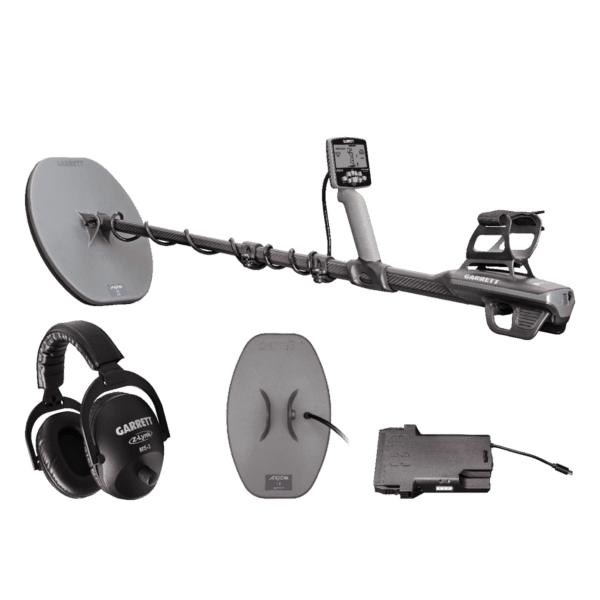
Assembling your gold detector properly sets the stage for every successful hunt. Whether you’re starting out with the ultra-sensitive Goldmaster 24k or stepping up to the powerhouse Garrett Axiom, getting the setup right ensures you’re not missing targets due to loose cables, misalignment, or overlooked steps.
Step 1: Lay Out All Components
Unbox your detector and confirm you have everything you need: shaft pieces, control box, search coil, coil cable, armrest, hardware, and batteries. Place everything on a flat surface. Both the Axiom and Goldmaster feature simple, intuitive designs that make assembly quick. A good reference point is Garrett’s official unboxing video:
Garrett Axiom PI Gold Detector Tutorial: Unboxing & Menus
Step 2: Connect the Shaft and Coil
Attach the lower shaft to the search coil using the provided bolt and hand-tighten the nut. Then, insert the upper shaft and extend it to a length that feels comfortable when you’re standing. Be sure everything is aligned and secured snugly—no wobble means better control.
Step 3: Cable Wrap and Control Box
Take the coil cable and wrap it neatly around the shaft, leaving enough slack at the coil to allow full range of motion. Avoid tight loops, which can wear the cable or cause interference. Plug the cable into the control box, making sure the connector clicks into place. Then, slide the control box onto the shaft or attach it as instructed, depending on your model.
Step 4: Power Up and Test
Insert your batteries—rechargeable lithium-ion for Axiom or AA batteries for Goldmaster. Power on the detector. It should go through a quick startup, and you’ll be ready to test it out. Do a basic air test with a gold sample or coin to ensure it’s detecting and sounding off properly. For more on coil control and audio cues, watch:
Garrett Goldmaster 24k – Setup & Nugget Audio
Final Thoughts
Proper assembly of your Garrett Axiom or Goldmaster sets the tone for successful prospecting. Taking just 10–15 minutes to follow these steps ensures you avoid frustration later in the field. Once everything is in place, you’ll be detecting with confidence—and ready to find what others miss.